
10:30 / 13:30
The Museum is located at Via Mancinelli 19, a short walk from the National Archaeological Museum, in the historic district known as Costigliola.
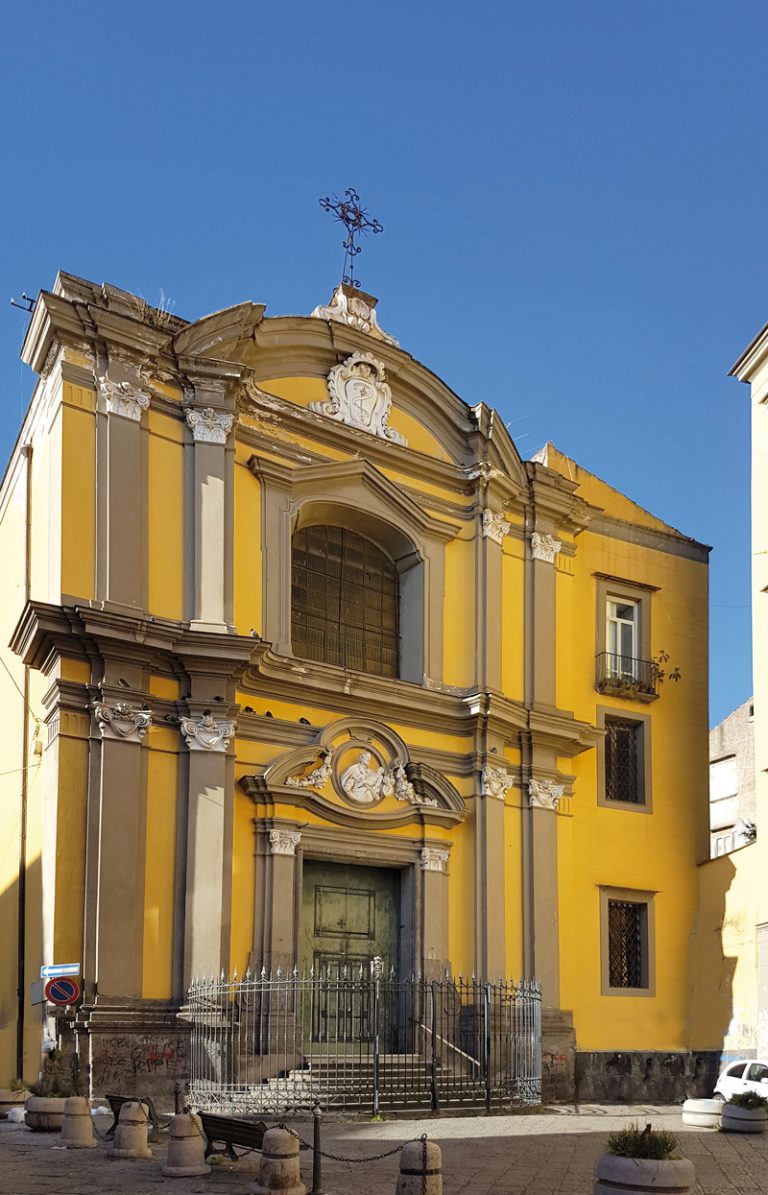
It is housed in the eighteenth-century palazzo of the San Giuseppe dei Nudi monumental complex, which also includes the Historical Archive, the late Baroque Church and the ancient Garden, restored as a hortus conclusus at the heart of one of Naples's most characterful working-class neighbourhoods.
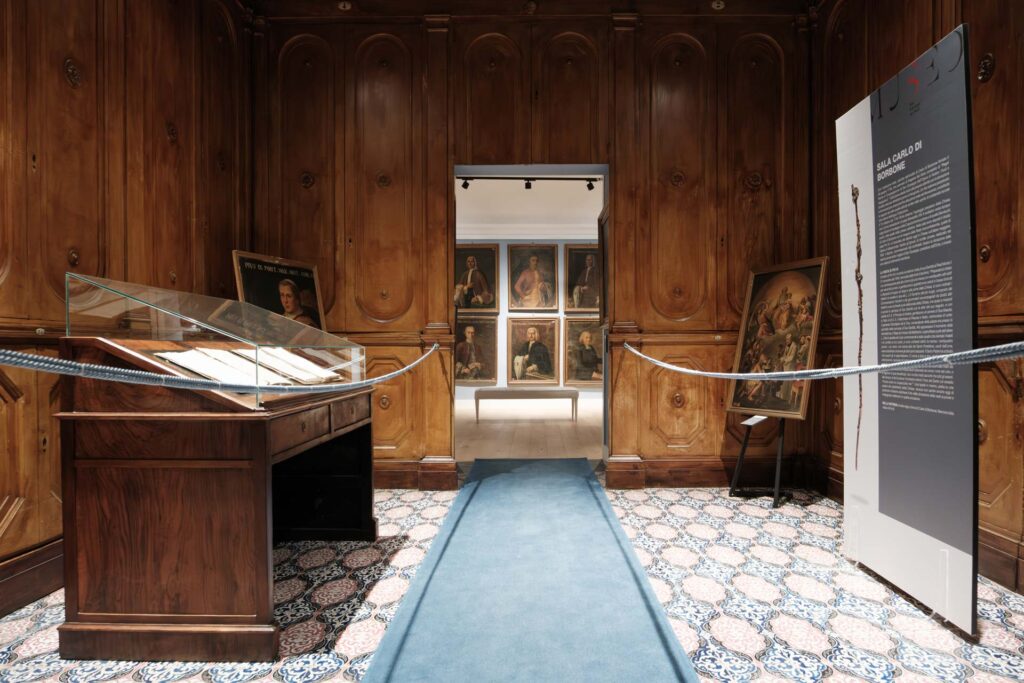
The San Giuseppe dei Nudi Museum was founded with the aim of enhancing and making accessible the historical, artistic, and cultural heritage of what was once the Royal Mount and Archconfraternity of San Giuseppe dell'Opera di Vestire i Nudi e Vergognosi, an organization founded in 1740 with the royal approval of Charles of Bourbon in the name of charity and faith.
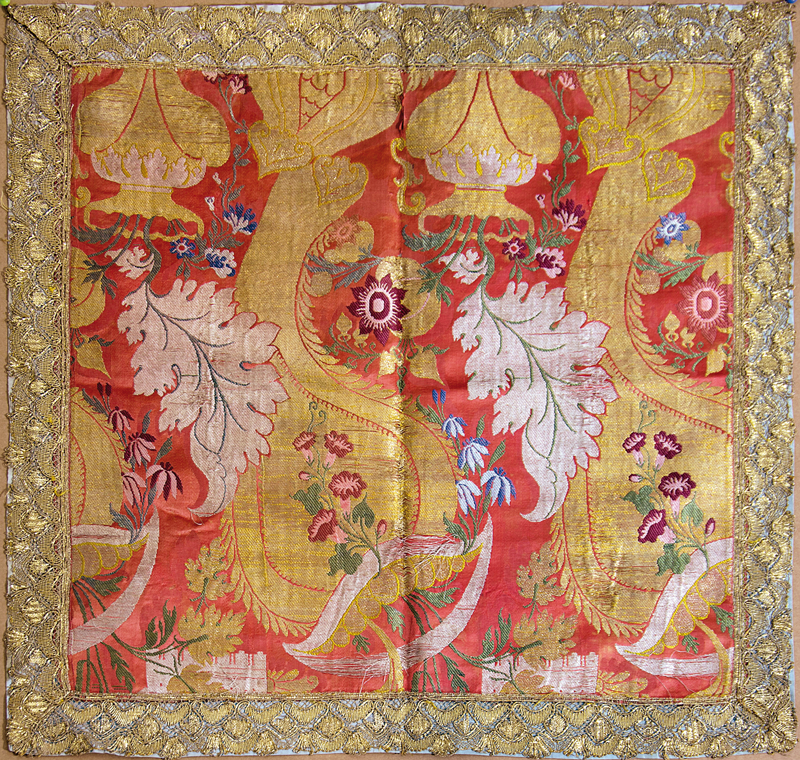
The works on display—paintings, sculptures, relics, and archival documents—are the result of donations accumulated over approximately three centuries and allow us to reconstruct a history deeply intertwined with the religious, social, and cultural life of the city.
Particularly significant is the picture gallery of benefactors' portraits, which offers a rare testimony of Neapolitan society in the modern age, with figures of Bourbon sovereigns, members of the aristocracy and high ecclesiastical officials.
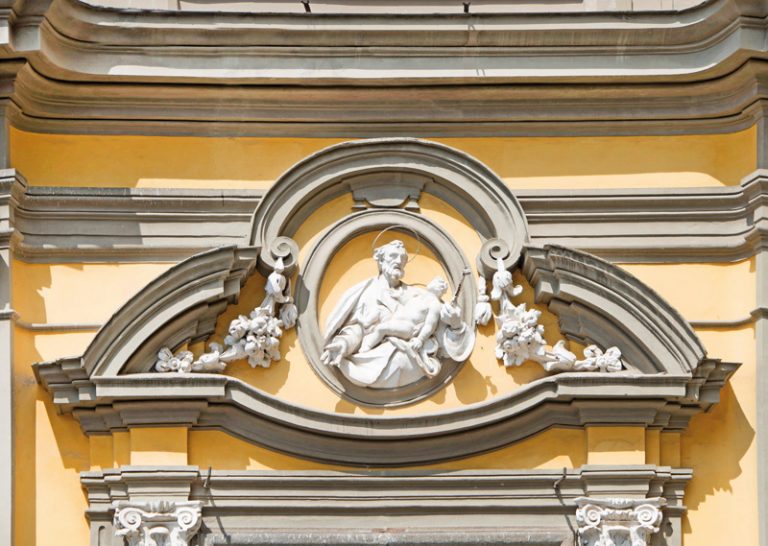
Alongside the portraits, the Museum preserves works of great artistic importance, including paintings by Francesco De Mura, a Madonna dell’Umiltà from the 14th century attributed to a follower of Simone Martini, a Madonna with Child by Giuseppe Bonito, the St. Joseph in marble by Matteo Bottigliero and the monumental Martyrdom of St. Januarius, recently restored.
The Museum also offers guided tours, activities, and thematic exhibitions that delve into fascinating and little-known stories, such as that of the Staff of St. Joseph, which arrived in Naples in the 18th century after a long and complex journey from the Holy Land to the city of Naples.
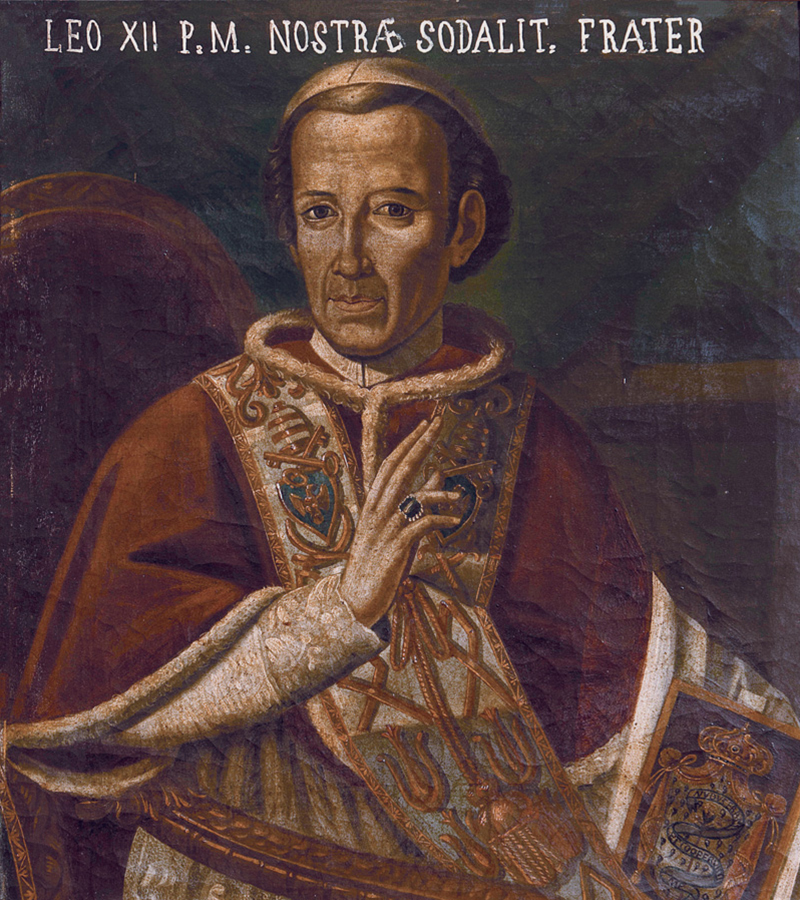
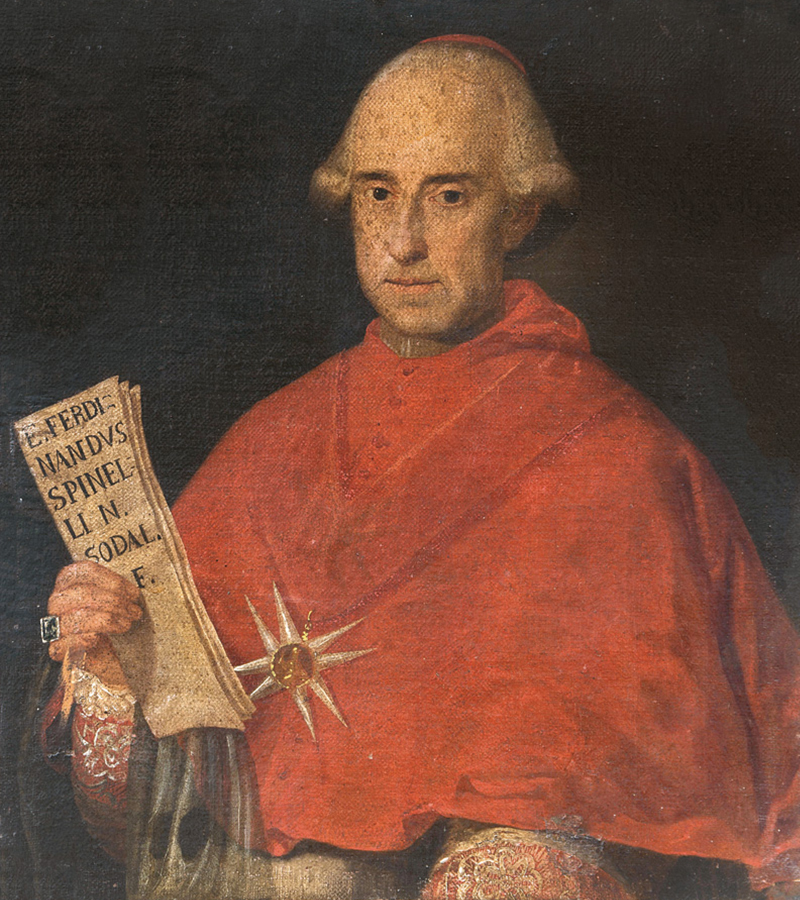
The portrait collection of the Archconfraternity of San Giuseppe dei Nudi, assembled between the mid-eighteenth and early twentieth centuries, currently comprises 52 works: 26 of benefactors, 5 of Bourbon sovereigns, 7 of popes, 8 of archbishops, and 6 of cardinals and prelates.

Lorem ipsum dolor sit amet, consectetur adipiscing elit. Ut elit tellus, luctus nec ullamcorper mattis, pulvinar dapibus leo.
Lorem ipsum dolor sit amet, consectetur adipiscing elit. Ut elit tellus, luctus nec ullamcorper mattis, pulvinar dapibus leo.

Lorem ipsum dolor sit amet, consectetur adipiscing elit. Ut elit tellus, luctus nec ullamcorper mattis, pulvinar dapibus leo.
Lorem ipsum dolor sit amet, consectetur adipiscing elit. Ut elit tellus, luctus nec ullamcorper mattis, pulvinar dapibus leo.
Lorem ipsum dolor sit amet, consectetur adipiscing elit, sed do eiusmod tempor incididunt ut labore et dolore magna aliqua. Ut enim ad minim veniam, quis nostrud exercitation ullamco laboris nisi ut aliquip ex ea commodo consequat. Duis aute irure dolor in reprehenderit in voluptate velit esse cillum dolore eu fugiat nulla pariatur. Excepteur sint occaecat cupidatat non proident, sunt in culpa qui officia deserunt mollit anim id est laborum.
At the heart of the collection lies a centuries-old relic: the flowering wooden staff of Saint Joseph, venerated for nearly three centuries and an emblematic apotropaic symbol of the Christian and Catholic faith.
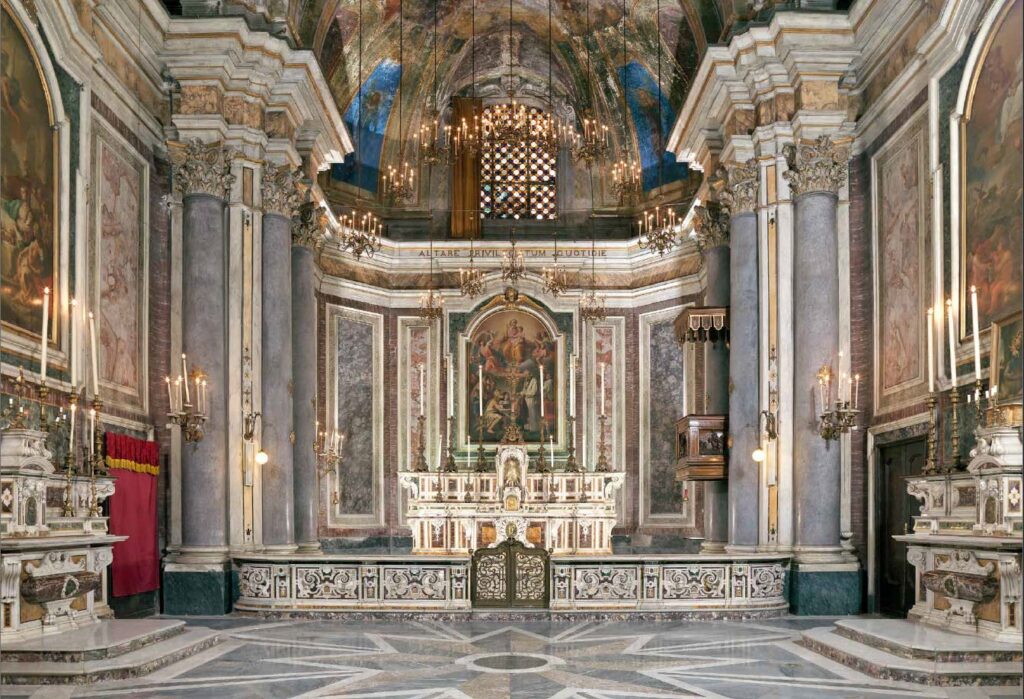
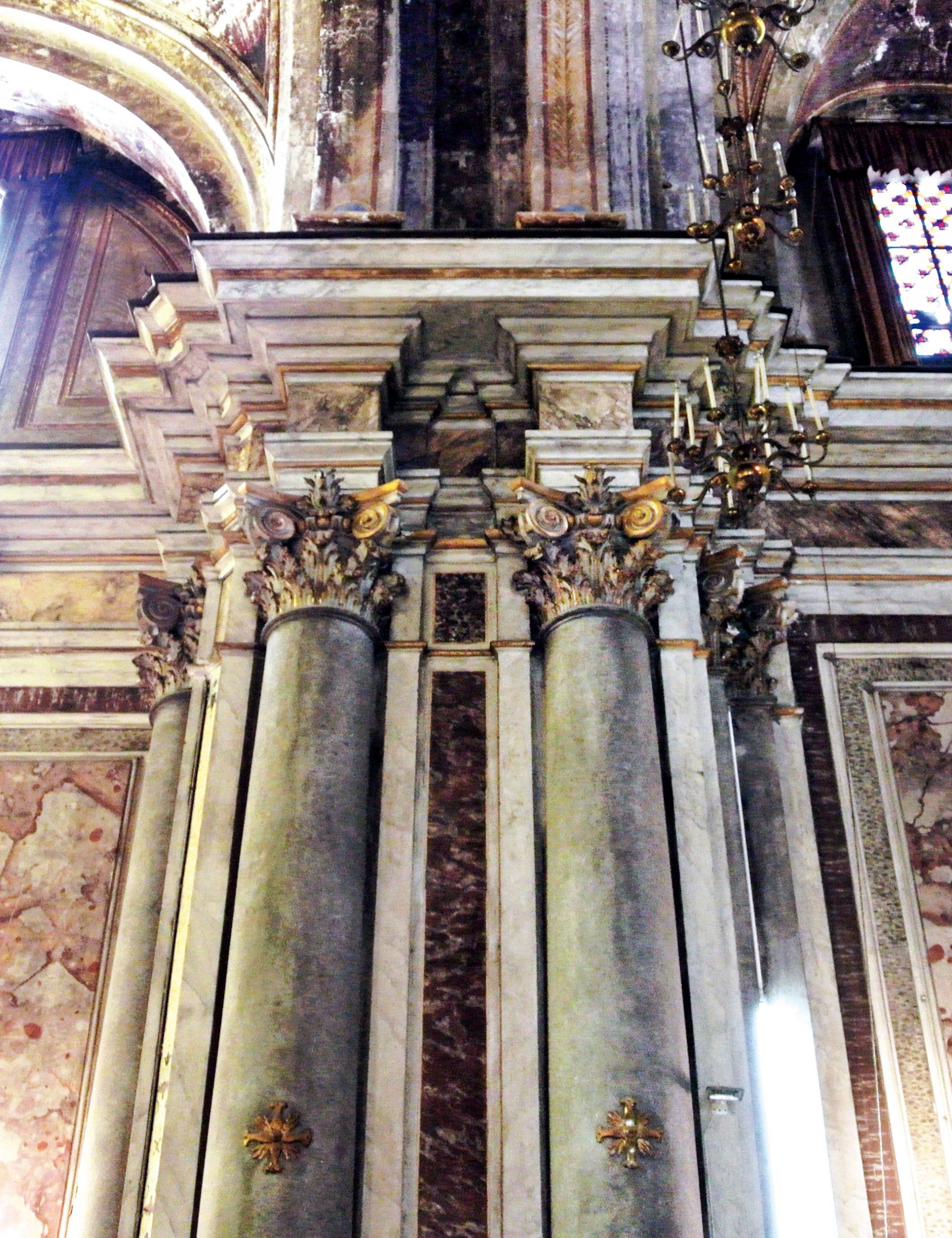
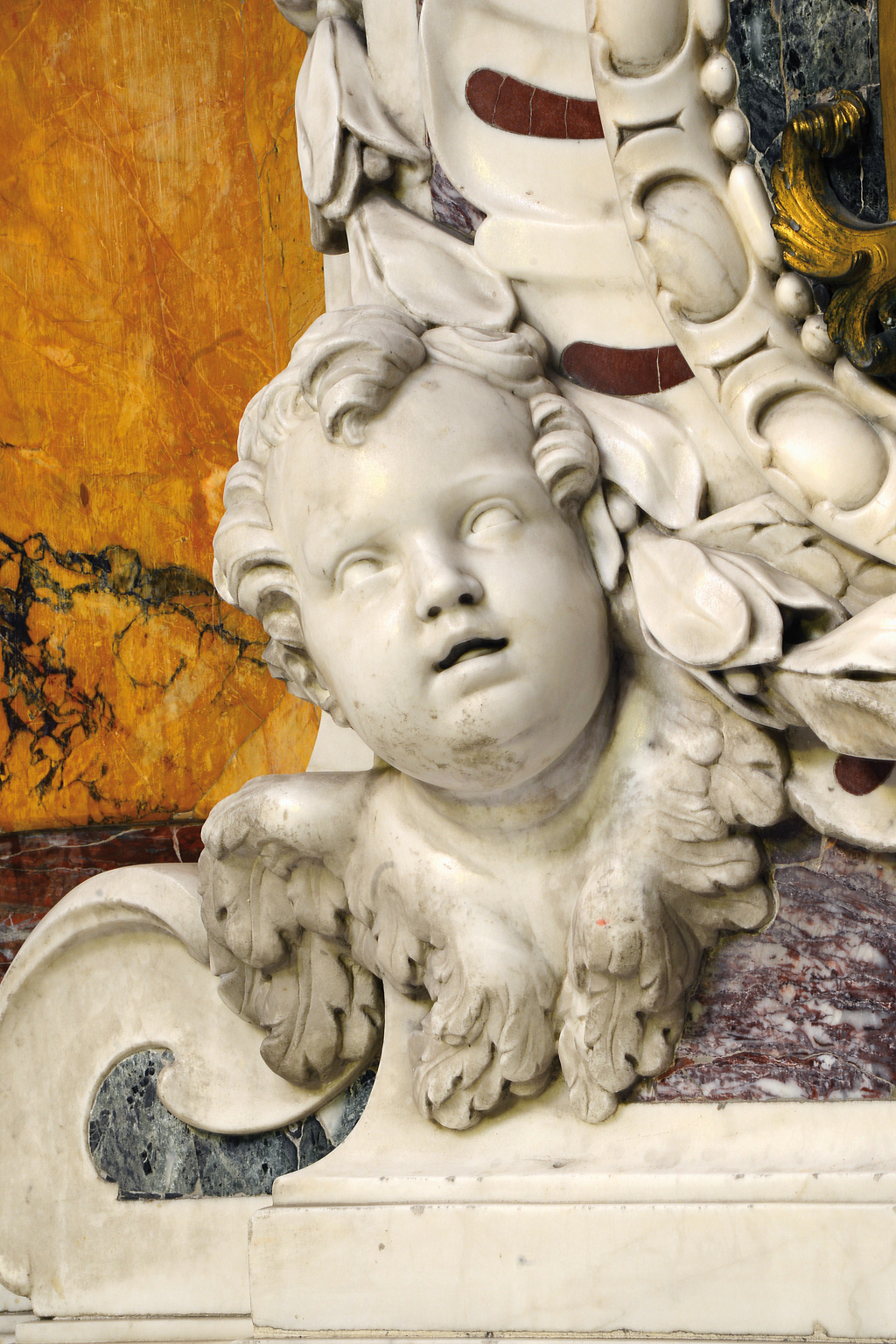
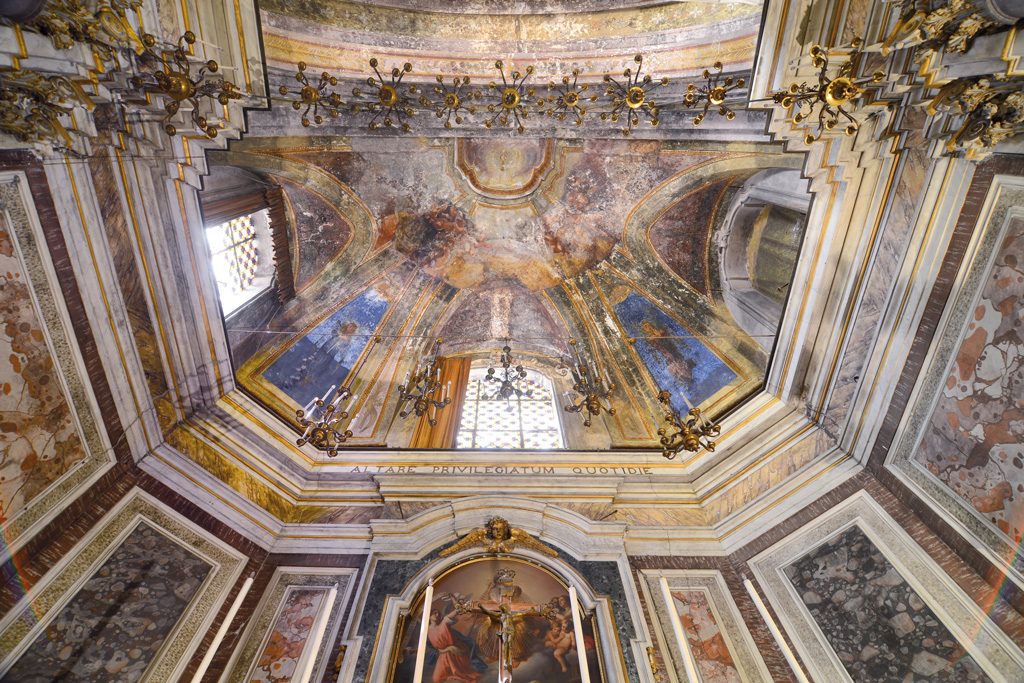
Built in 1750 to a design by Giovanni Del Gaizo and renovated in 1888 for the visit of Pope Pius IX, the church retains the original Baroque altars and pictorial decorations by Gaetano D’Agostino.
It once hosted the ritual of the “dressing” of the poor, with the distribution of clothes along the nave, in the presence of the sovereigns and high officials of the Kingdom.
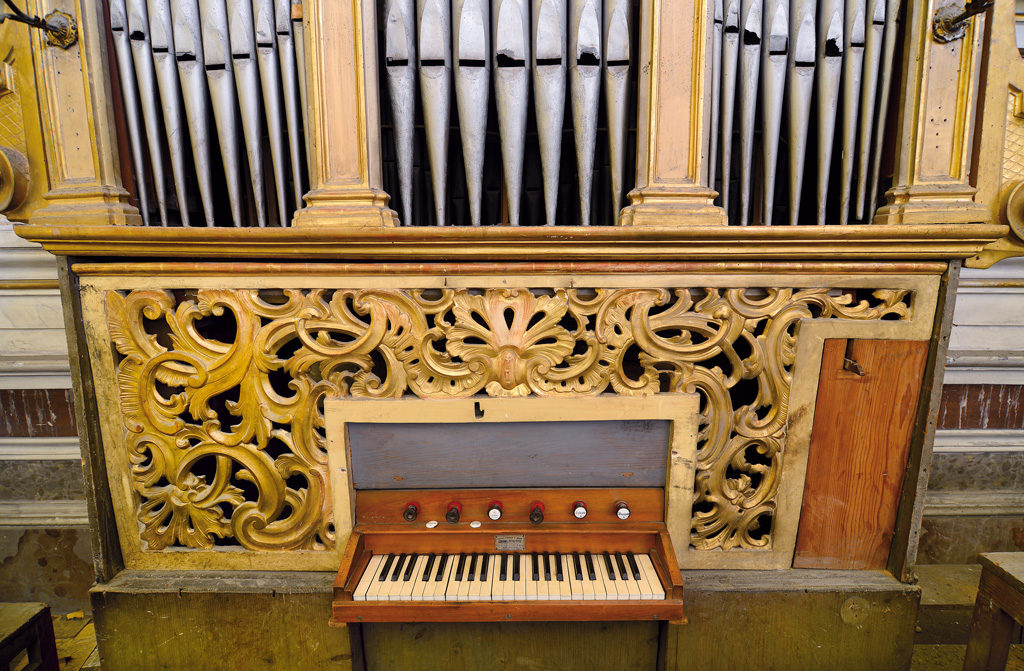
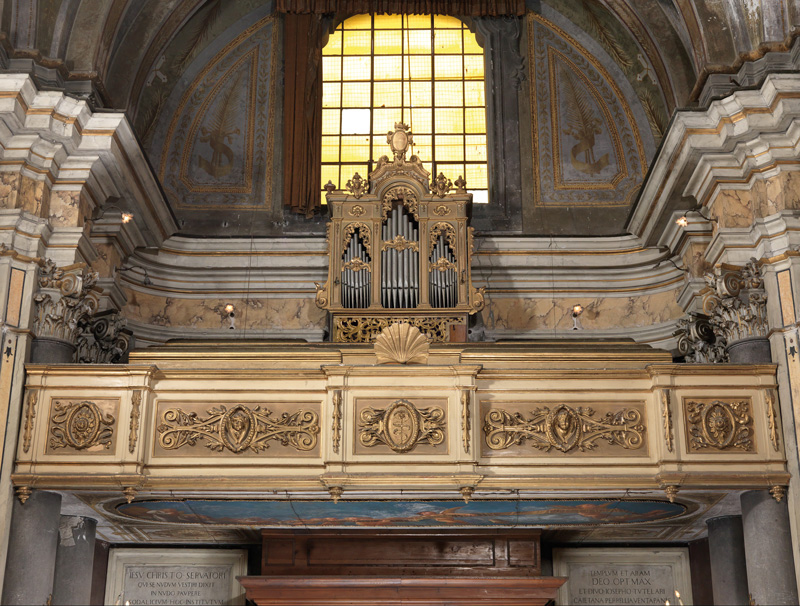
Among the artistic treasures are the 18th-century wall organ, the canvas Opera di misericordia: Vestire gli ignudi di Achille Jovane/ and a Nativity of Christ by Girolamo Starace Franchis. A late-18th-century bust of Saint Joseph recalls the ancient devotions of the faithful, and the celebrations that took place in particular on March 19, the saint's name day.
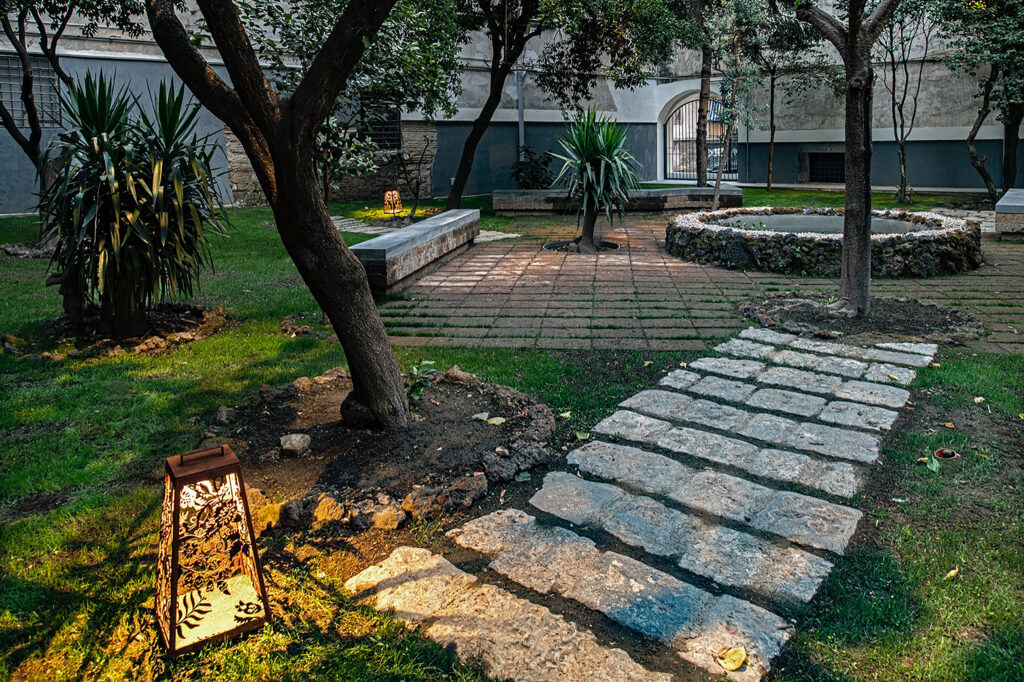
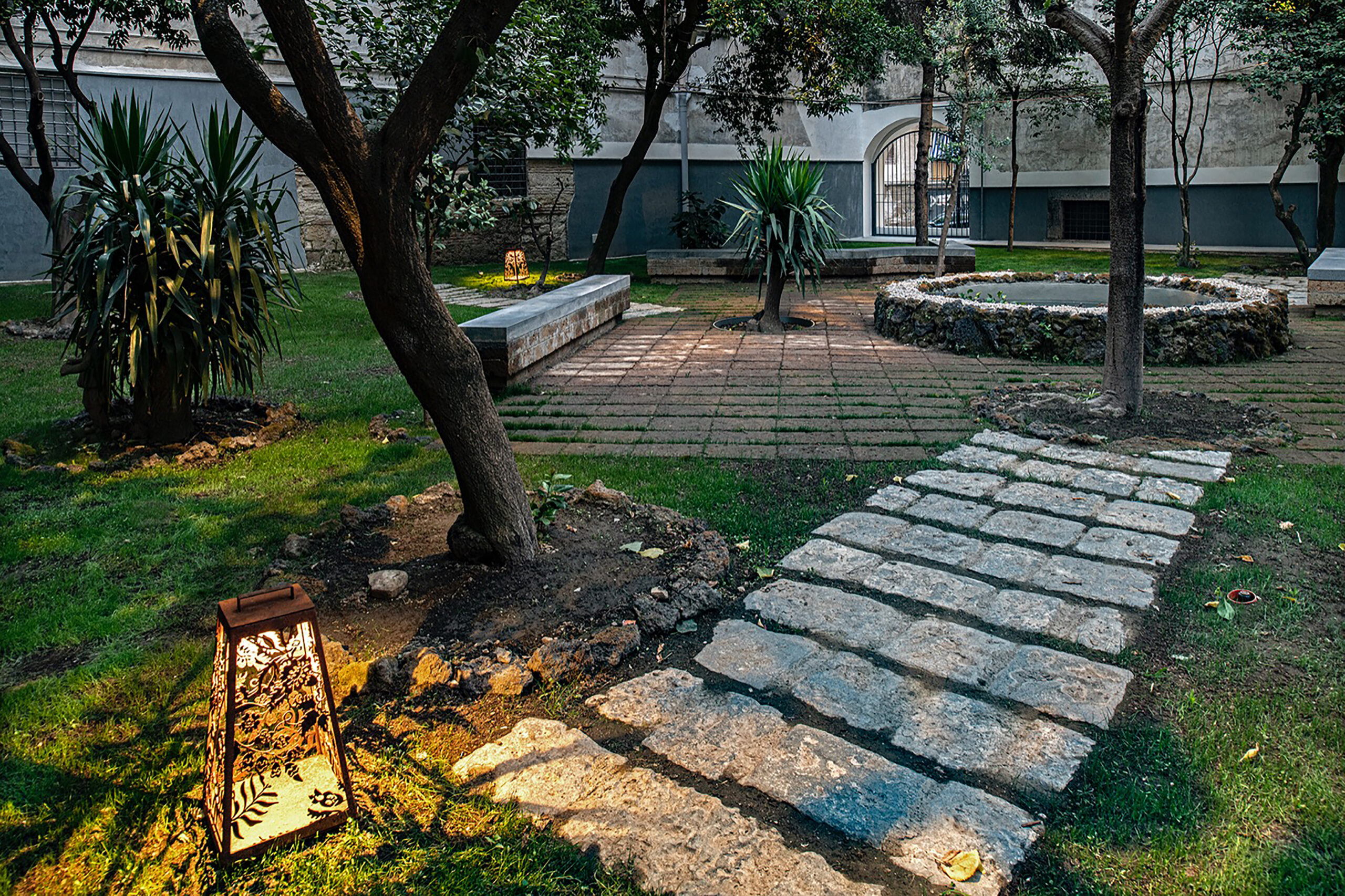
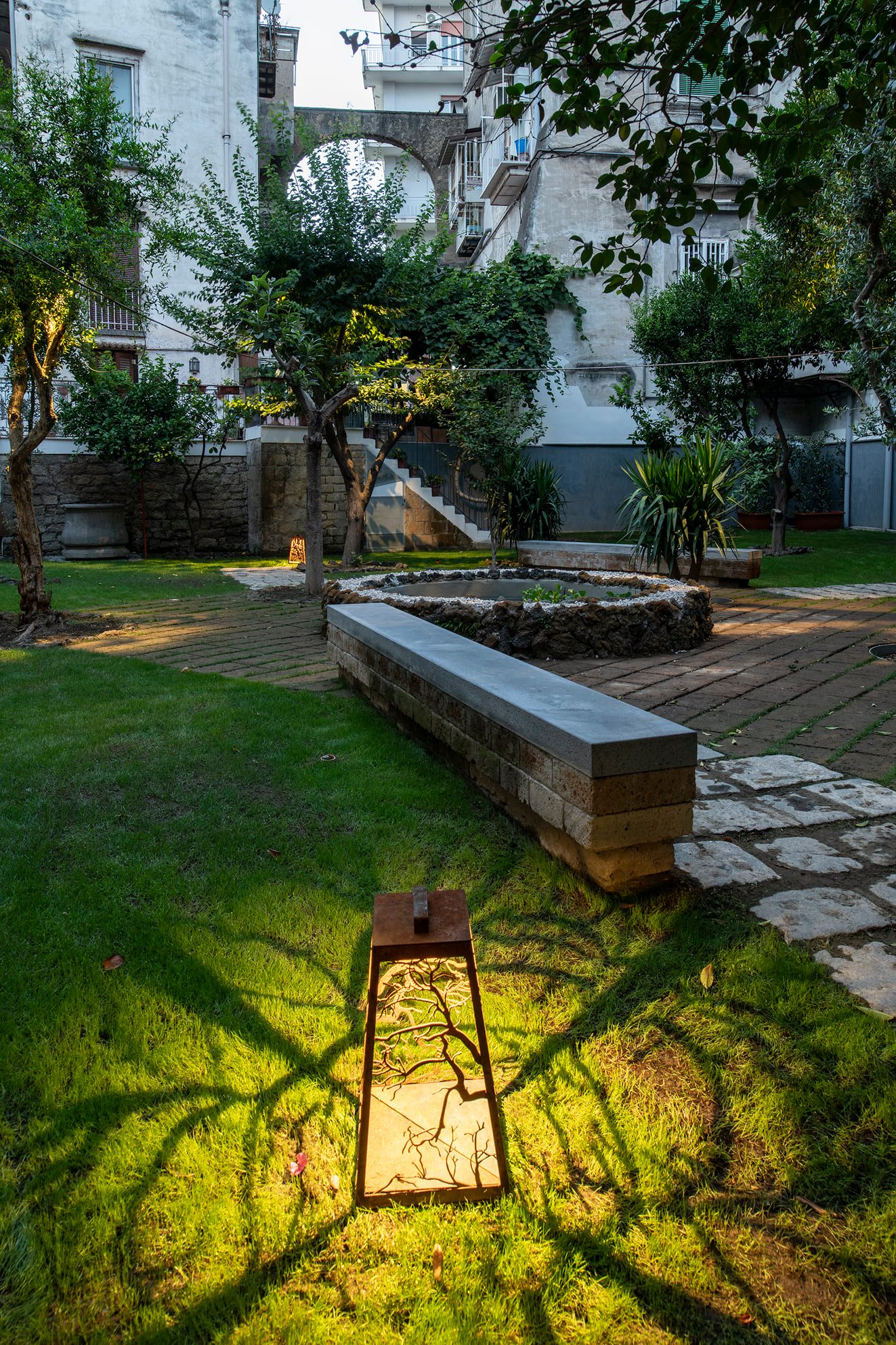
The eighteenth-century garden of the monumental complex was reclaimed in 2021, returning to Naples a historic and symbolic landmark within the city's story.
Access to the garden is from the church sacristy. The restoration, completed in 2021, followed the original design by Domenico Rispoli Moncada, discovered in the institution's archives.
The historic paths, built with scavenged materials, lead to a small tuff square and the central pond, now functioning and adorned with floating water lilies.
The historic trees have been cared for, moved, and integrated: olive trees, maple trees, camellias, hydrangeas, and fruit trees recall the ancient orchard.
Near the pool, an old well has been reconstructed next to a lemon tree.
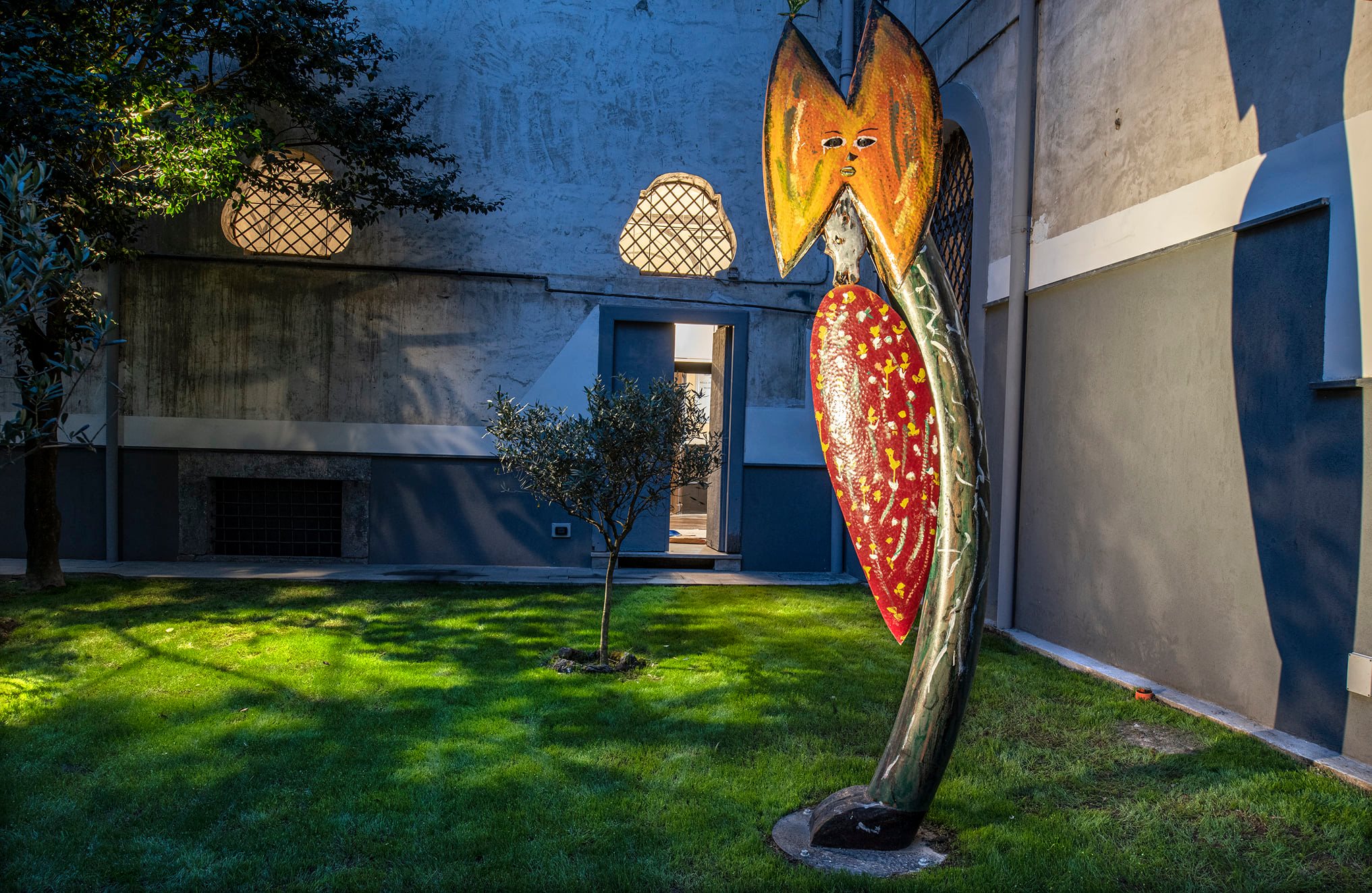
The garden also hosts contemporary works of art: the sculpture “cavallo-farfalla” by Riccardo Dalisi and the small chair made by Carlo Cuomo with gypsies in his workshop in Salerno, presented at the Milan Triennale in 1979.